why ratnagiri alphonso mango is expensive
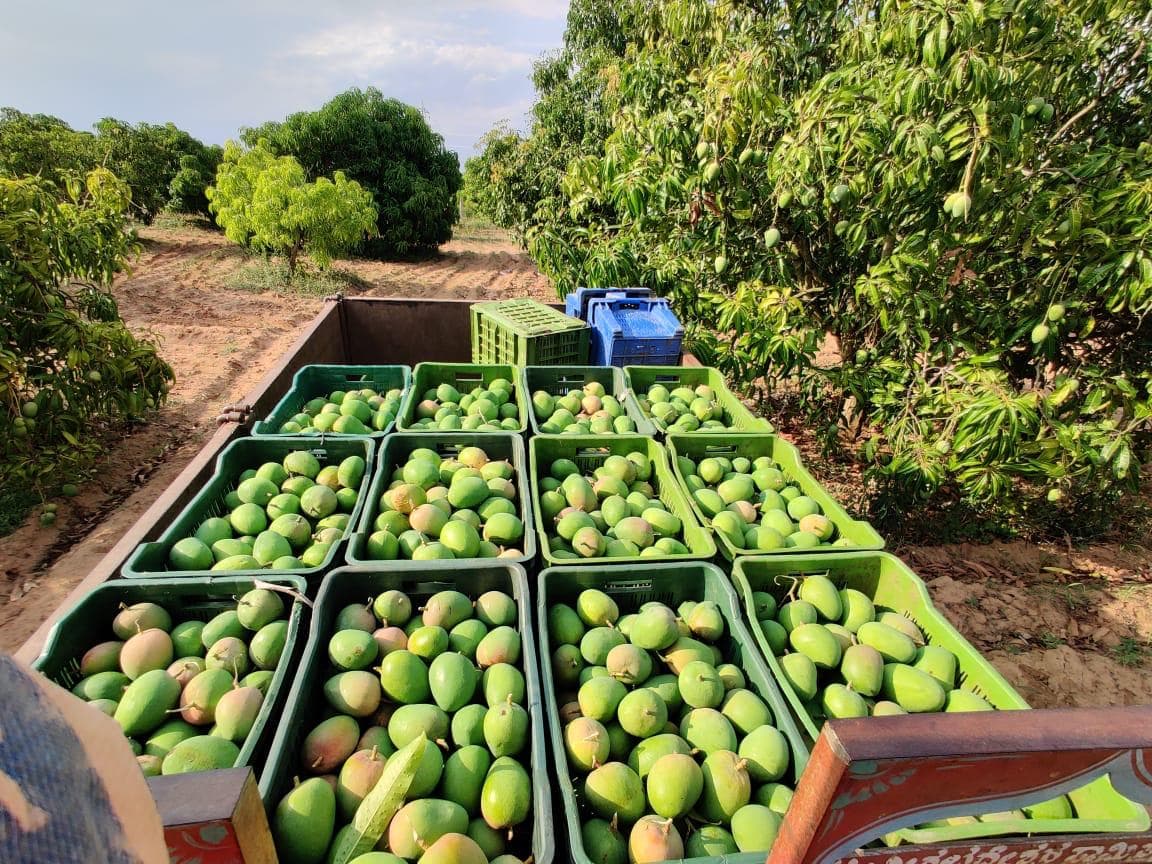
title: 'The Economics of the Alphonso: Why is the King of Fruits So Expensive?' date: '2026-07-06' description: 'Understand the labor, climate challenges, and rigorous quality control that make the authentic Ratnagiri Alphonso the most premium mango in the world.' image: '/images/blog/ratnagiri-orchard.png' author: 'Aam Native'
Why is the Ratnagiri Alphonso So Expensive?
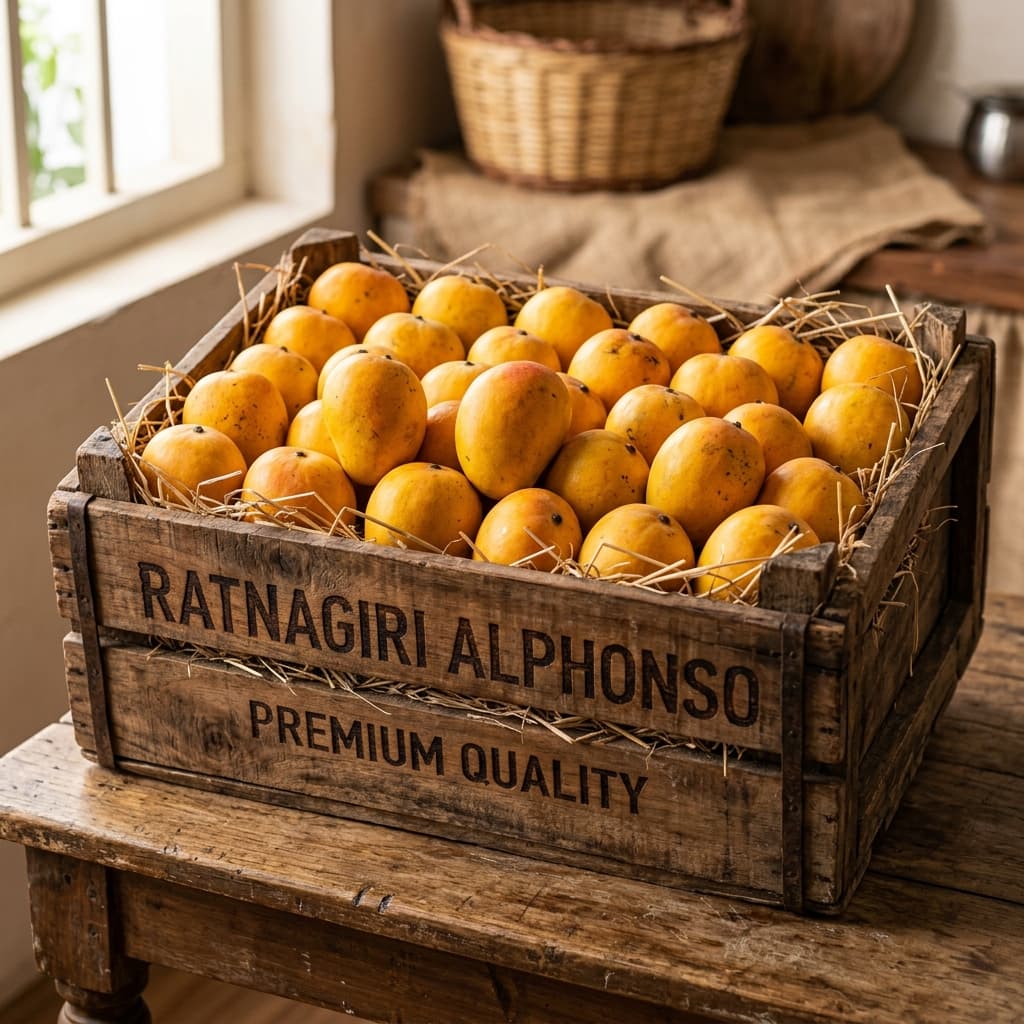
If you have ever shopped for mangoes, you know that the Ratnagiri Alphonso sits in a price tier of its own. It is undeniably the most expensive commercial mango variety in India.
Is the high price justified? When you understand the economics, the labor, and the extreme fragility of the crop, you realize that an authentic box of Aam Native Alphonso mangoes is actually a miracle of agriculture.

1. The Hyper-Specific Terroir
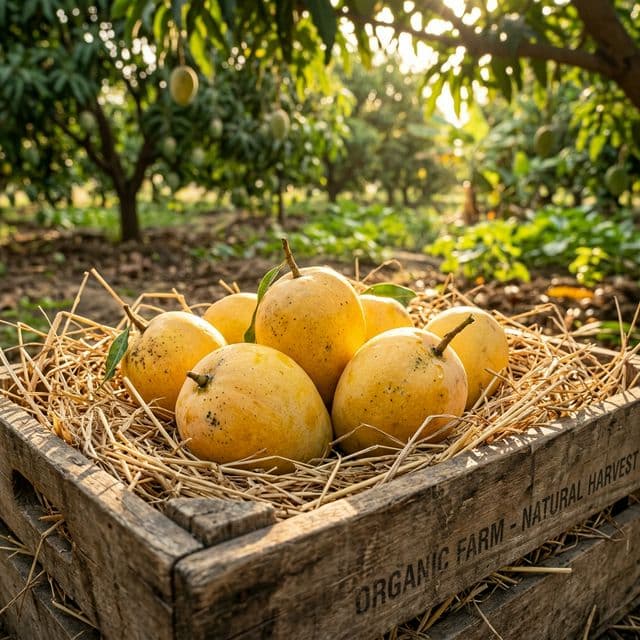
The true Alphonso cannot be grown anywhere. While seeds have been planted across India, the magical combination of buttery texture and rich aroma only occurs in a tiny coastal belt covering Ratnagiri and Sindhudurg.
Because the land capable of producing authentic GI-tagged Alphonso is severely limited, supply can never meet the massive global demand.
2. A Notoriously Fickle Crop
The Alphonso tree is incredibly sensitive to climate fluctuations.
- A sudden unseasonal rain in December can destroy the blossoms.
- A slight increase in temperature in February can cause premature fruit drop.
- A late monsoon can ruin the harvest.
In many years, farmers lose up to 40% of their crop to uncontrollable weather events. The high price helps sustain the farmers through these devastating low-yield years.
3. Intense Manual Labor
Unlike modern commercial farming which relies heavily on machinery, harvesting Ratnagiri Alphonso mangoes is a meticulous, manual art form.
Each mango must be hand-picked using a specialized tool called a jhoka (a net attached to a long bamboo pole). If a mango falls to the ground and bruises, it is instantly rejected for premium retail. Our farmers spend weeks carefully navigating 50-foot trees to gently harvest each fruit by hand.
Aam Native vs. Supermarket Economics
The Aam Native Promise
When you buy cheap "Alphonso" mangoes from a roadside vendor, you are almost certainly buying a different, inferior variety passed off as the real thing, or fruit that has been chemically forced to ripen.
At Aam Native, our pricing reflects the true cost of sustainable, chemical-free, authentic agriculture. We pay fair wages to our harvesters, we invest in the health of our soil, and we absorb the cost of intense quality control. Every rupee spent on an Aam Native mango guarantees an unparalleled, safe, and wildly delicious experience.
Found this helpful?
Share it with someone who loves mangoes.
Continue Reading
You Might Also Like
Farm-Direct · GI-Certified
Ready to taste the real Alphonso?
Zero carbide. Naturally ripened. Delivered in 24–48 hours.
Shop Mango Boxes →