Why Devgad Alphonso Costs ₹3000 a Dozen (And Why People Gladly Pay It)
Sanjay Yellar
Aam Native
Why Devgad Alphonso Costs ₹3000 a Dozen (And Why People Gladly Pay It)
Why Devgad Alphonso Costs ₹3000 a Dozen (And Why People Gladly Pay It)
Every summer, a familiar debate lights up dinner tables and WhatsApp groups across India: Why are Devgad Alphonso mangoes so expensive?
When you can buy a dozen local Banganapalli or Dasheri mangoes for ₹400, seeing a price tag of ₹2,500 to ₹3,500 for a dozen Devgad Alphonsos can induce sticker shock.
But for true mango connoisseurs, the price isn't just justified—it's a bargain for the experience. Here is the breakdown of why the King of Mangoes commands a royal price.
1. The Geographic Exclusivity (GI Tag)
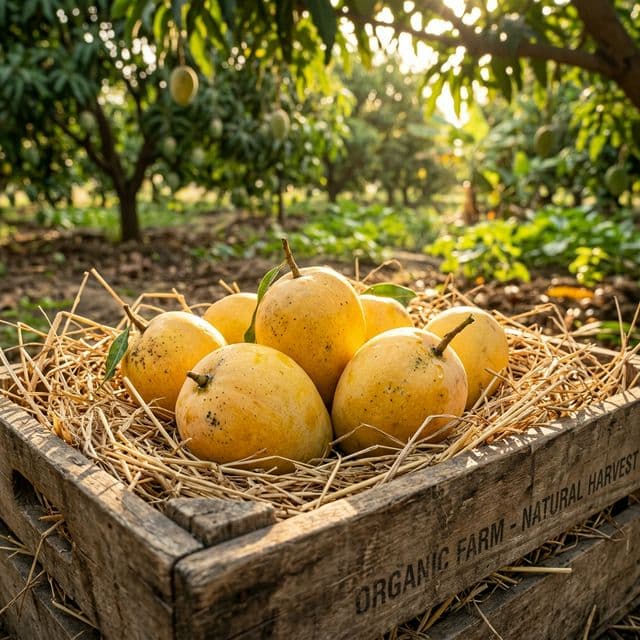
Just like Champagne can only come from the Champagne region of France, a true Devgad Alphonso can only come from the coastal laterite soil of Devgad taluka in Maharashtra.
The unique combination of the Arabian Sea breeze, high humidity, and mineral-rich volcanic soil creates a microclimate that cannot be replicated anywhere else in the world. Mangoes grown from the exact same seeds just 100 kilometers away will taste remarkably different. Because the growing region is so small, supply is incredibly limited.
2. Low Yield and High Risk
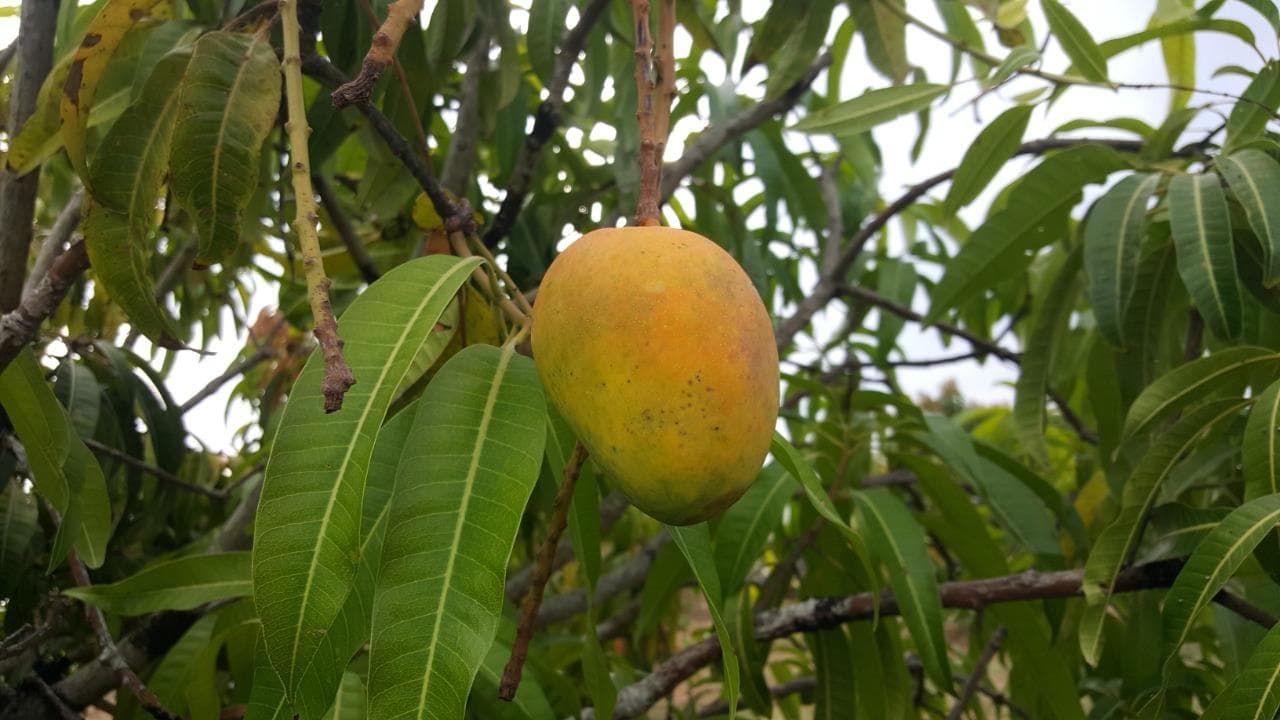
Alphonso mango trees are notoriously fickle. They are highly susceptible to climate fluctuations, unseasonal rain, and pests. In a good year, a single tree might produce 500 mangoes. In a bad year, that number can drop to 50.
Furthermore, the Alphonso tree exhibits 'alternate bearing'—producing a heavy crop one year and a sparse crop the next. Farmers carry enormous financial risk all year round for a harvest that lasts just 6 weeks.
3. The 100% Hand-Harvesting Process
While commercial farms use machines or violent shaking to harvest fruit, premium Devgad Alphonso mangoes are strictly hand-picked.
Farmers use a special tool called a nutan—a long bamboo pole with a net and a blade. Each mango is individually snipped with a 2-inch stem intact. Why? Because if the acidic sap from the stem drips onto the mango skin, it burns the fruit and ruins its appearance and shelf life. This painstaking process requires immense manual labor.
4. Zero Fibre and Perfect Sugar Density
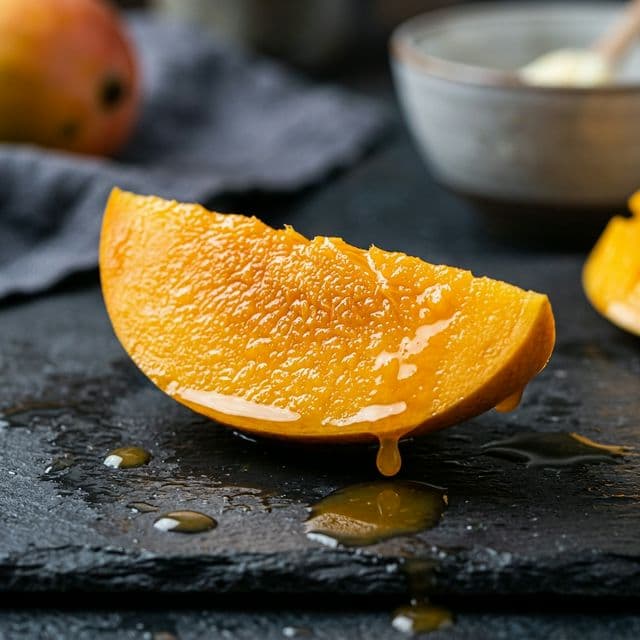
The final reason people gladly pay the premium is simply the taste. The Devgad Alphonso has a Brix level (sugar density) far higher than normal mangoes, yet it balances this intense sweetness with a subtle, complex tartness.
Most importantly, it has zero fibre. Eating a Devgad Alphonso is a smooth, buttery experience that no other mango variety can match.
Is it worth it?
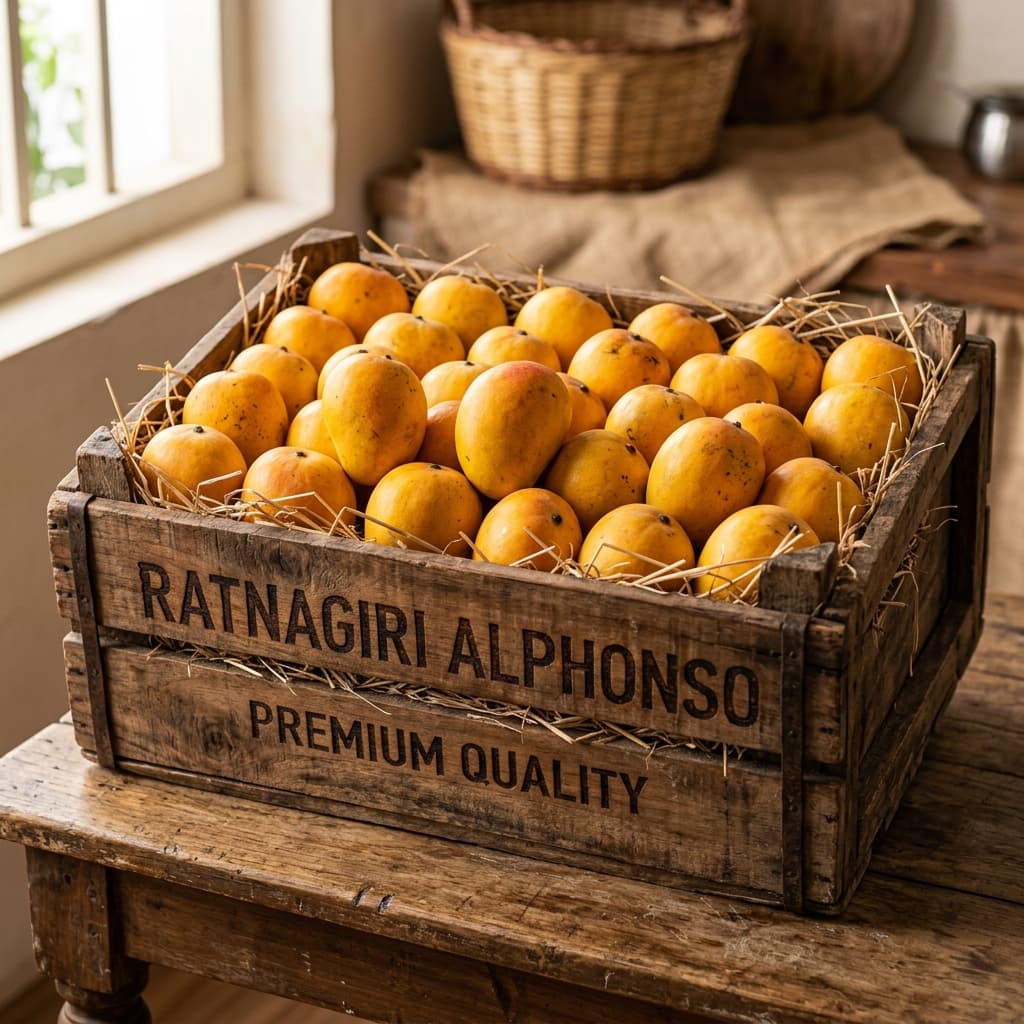
A box of premium Devgad Alphonso isn't just a fruit purchase; it's a seasonal luxury. When you buy from authentic, farm-direct sources like Aam Native, you are paying for heritage, organic ripening, and a flavor profile that is unmatched globally.
This summer, don't settle for imitations. Treat yourself to the real thing.