The Dark Secret Behind Cheap Mangoes: How Calcium Carbide is Ruining Your Health
Sanjay Yellar
Aam Native
The Dark Secret Behind Cheap Mangoes: How Calcium Carbide is Ruining Your Health
The Dark Secret Behind Cheap Mangoes: How Calcium Carbide is Ruining Your Health
We all know the feeling: It's early April, and you see a street vendor selling perfectly bright, spotless, yellow mangoes. They look like they belong in a magazine. You buy a dozen, take them home, cut them open, and... they taste like bland, sour cardboard.
Worse than the terrible taste is the hidden danger lurking beneath that flawless skin. Those mangoes were likely ripened using Calcium Carbide.
What is Calcium Carbide?
Calcium Carbide, often referred to locally as masala, is an industrial chemical primarily used for welding. When it comes into contact with moisture, it produces acetylene gas, which artificially forces the mango to turn yellow overnight.
Because it drastically speeds up the visual ripening process, impatient middlemen use it to push unripe mangoes to the market weeks before they are naturally ready.
Why is it so dangerous?
The Food Safety and Standards Authority of India (FSSAI) has strictly banned the use of Calcium Carbide for ripening fruits. Here is why:
- Toxic Traces: Calcium Carbide contains traces of arsenic and phosphorus, both of which are highly toxic to humans.
- Health Risks: Consumption of artificially ripened fruit can lead to severe gastrointestinal issues, dizziness, weakness, skin ulcers, and long-term neurological damage.
- Zero Nutritional Value: Because the fruit is plucked raw and forced to turn yellow, it never develops its natural sugars, vitamins, or antioxidants.
How to Spot a Carbide-Ripened Mango
Protecting your family is easier than you think if you know what to look for:
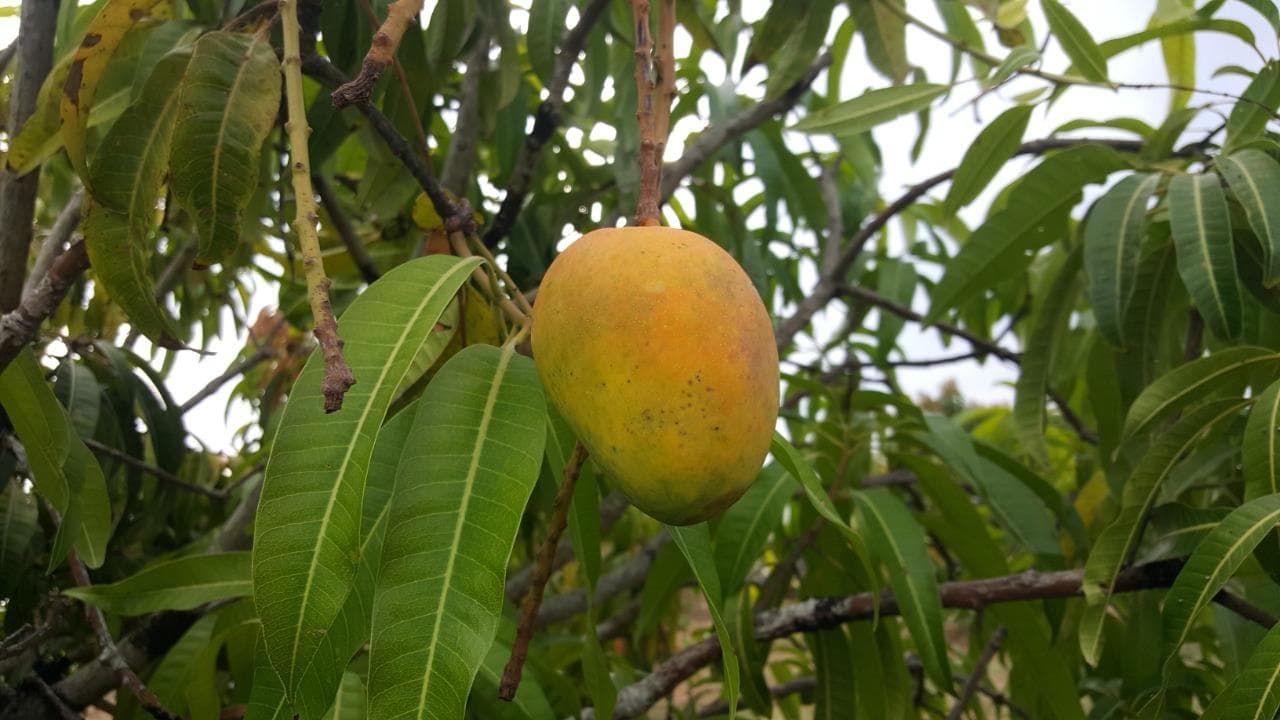
- The 'Too Perfect' Look: Natural mangoes rarely have a perfectly uniform color. They ripen unevenly, often showing a mix of green, yellow, and orange. If a mango is completely, blindingly yellow all over with zero blemishes, be suspicious.
- The Float Test: Drop the mango in a bucket of water. A naturally ripened mango is heavy and will sink. An artificially ripened mango is essentially raw on the inside, meaning it is less dense and will float.
- The Taste Profile: Artificial mangoes look ripe on the outside but are sour, pale, and crunchy on the inside.
The Aam Native Difference
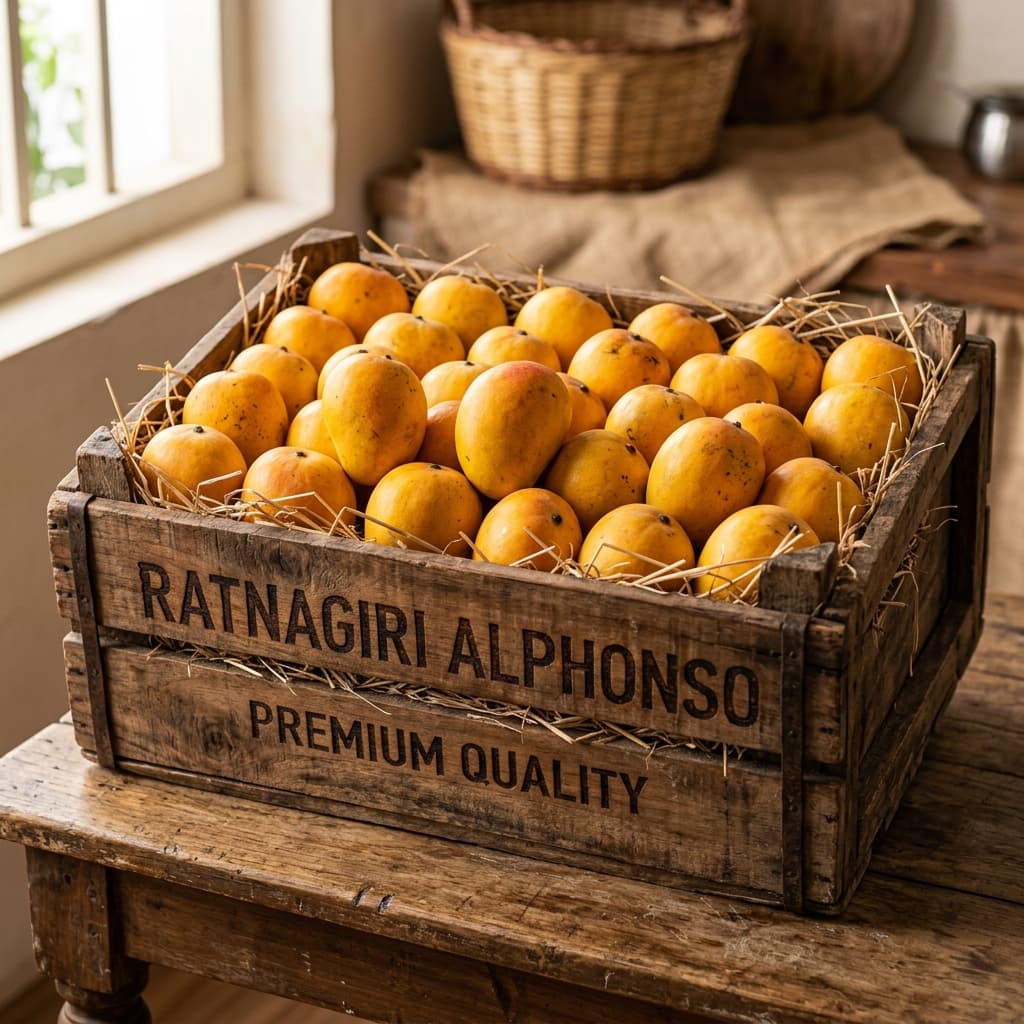
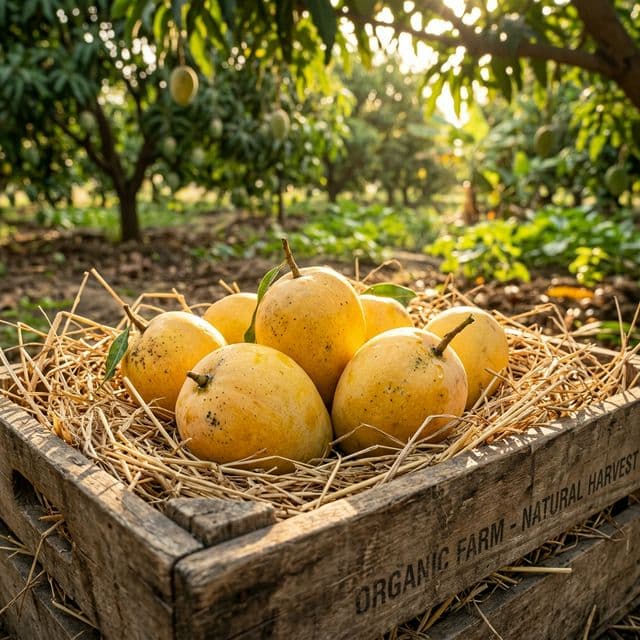
At Aam Native, we refuse to compromise on health or heritage. We guarantee that 100% of our mangoes are ripened using the traditional wood-shaving and hay method.
It takes longer. It requires more effort. The mangoes might not look like plastic toys—they will have natural spots and color gradients—but they are safe, incredibly sweet, and bursting with the natural nutrients your body deserves.