Mangoes for Glowing Skin: The Vitamin A and C Connection

Mangoes for Glowing Skin: The Vitamin A and C Connection
Walk through the lush mango orchards of the Konkan coast during the peak of summer, and you'll notice something striking about the generational farmers who tend the trees: their remarkably resilient, glowing skin despite hours under the harsh Indian sun. The 'Konkan skin secret' isn't a high-end cosmetic cream; it is a diet deeply intertwined with the Alphonso mango.
While the beauty industry heavily markets synthetic Vitamin C serums and Retinol (Vitamin A) creams, the Alphonso mango delivers both of these vital skin-repairing nutrients naturally, from the inside out. Here is the science behind how eating mangoes gives you a radiant, healthy glow.
The Beta-Carotene Conversion Mechanism
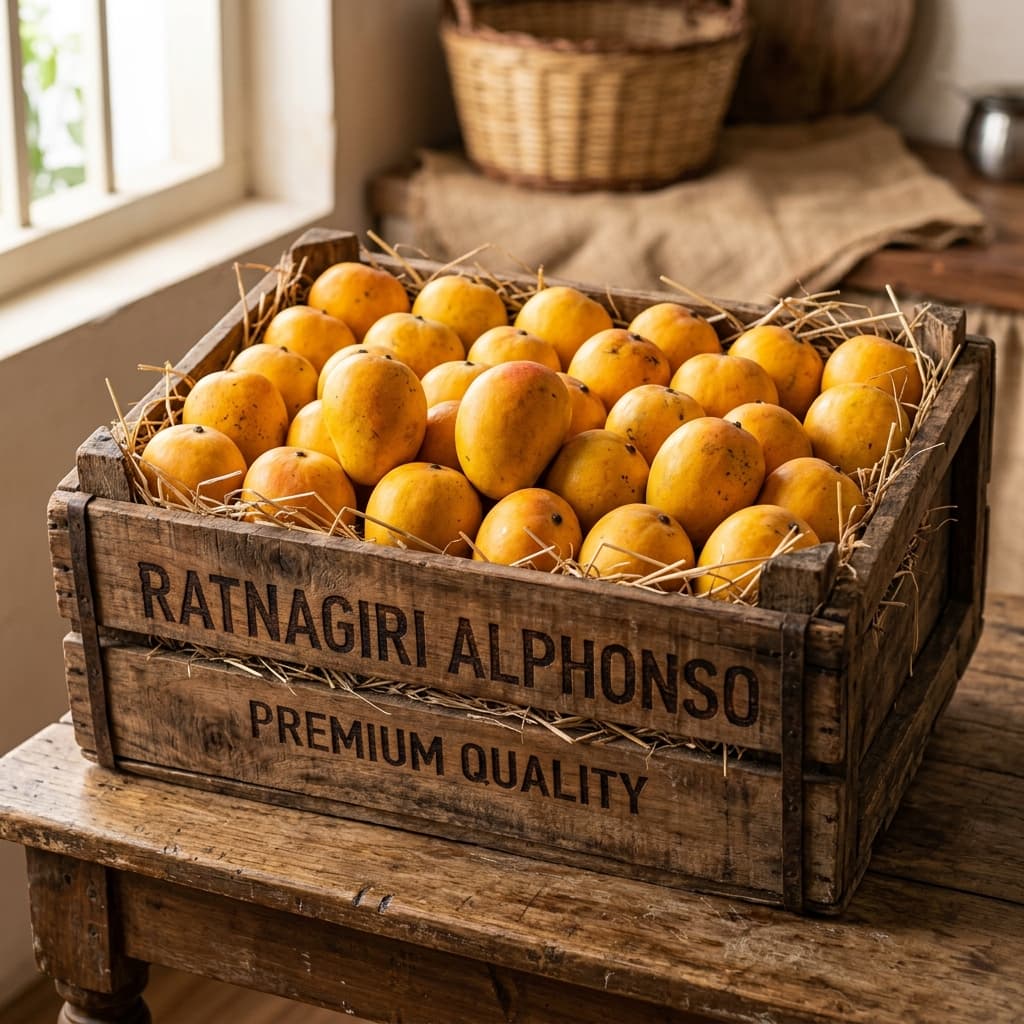
The deep, mesmerizing saffron-orange color of an Alphonso mango is not just for visual appeal. It is the result of a massive concentration of beta-carotene, a powerful antioxidant pigment.
When you eat a mango, your body absorbs this beta-carotene and converts it into active Vitamin A (retinol).
Vitamin A is the holy grail of dermatology. It accelerates cell turnover—the process where your skin sheds dead cells and pushes fresh, new cells to the surface. A deficiency in Vitamin A leads to dry, flaky, and dull skin. By eating mangoes, you provide your body with the exact building blocks it needs to constantly regenerate a fresh, glowing epidermal layer.
Vitamin C and Collagen Synthesis
If Vitamin A is the brick for new skin, Vitamin C is the mortar.
A single Alphonso mango provides nearly 80% of your daily Vitamin C requirement. While Vitamin C is famous for boosting immunity, it plays an equally critical role in dermatology: collagen synthesis.
Collagen is the structural protein that gives your skin its elasticity and firmness. As we age, collagen production drops rapidly, leading to sagging and wrinkles. Your body cannot produce collagen without adequate Vitamin C. By eating mangoes, you are quite literally feeding your skin the essential catalyst it needs to stay firm, plump, and youthful.
Furthermore, Vitamin C is a potent antioxidant that neutralizes free radicals caused by UV exposure and pollution, preventing premature aging.
Mangiferin: The Anti-Aging Super-Antioxidant
The true magic of the mango lies in a unique phytochemical called Mangiferin.
Found in high concentrations in the mango's skin and flesh, mangiferin has been shown in dermatological studies to protect the skin from UVB radiation damage. While it does not replace sunscreen, think of mangiferin as an internal sun-shield. It prevents the breakdown of collagen when you are exposed to the sun and reduces the inflammatory response that causes sunburn and hyperpigmentation (dark spots).
Internal Nutrition vs. Topical Application
We are often asked: Should I eat the mango, or put it on my face?
The answer is both, but internal nutrition is far more powerful. When you eat an Alphonso mango, the nutrients are delivered via the bloodstream to the deeper layers of the dermis (where collagen is formed), which topical creams struggle to penetrate.
However, the natural fruit acids (AHAs) in mangoes also make them an excellent topical exfoliator. The enzymes gently dissolve dead skin cells, unclogging pores and leaving a smooth surface.
DIY Alphonso Mango Face Mask
If you have some mango pulp left clinging to the seed, don't throw it away!
- Scrape a tablespoon of mango pulp.
- Mix it with a teaspoon of raw honey (for antibacterial properties) and a pinch of turmeric.
- Apply to a clean face and leave for 15 minutes.
- Rinse with cool water. The natural AHAs will exfoliate, while the Vitamin A hydrates, leaving an instant glow.
Hydration: The Foundation of a Glow
Skin cannot glow if it is dehydrated. During the brutal Indian summer, transepidermal water loss (moisture evaporating from the skin) is at its peak.
An Alphonso mango is roughly 83% water. Eating a mango not only delivers concentrated vitamins but also hydrates the cells at a foundational level. The combination of potassium and water in the fruit helps maintain the electrolyte balance within the skin cells, keeping them plump rather than shriveled.
FAQ
Do mangoes cause acne and pimples? This is a widespread myth. Mangoes do not cause acne. Acne is caused by hormonal imbalances, poor hygiene, or severe spikes in blood sugar. While eating 5 mangoes a day might spike your insulin (which can trigger sebum production), eating a single, naturally ripened mango provides antioxidants that actually reduce the inflammation associated with acne.
Why do I get boils after eating mangoes from the market? If you break out in boils or rashes after eating market mangoes, you are likely experiencing a reaction to Calcium Carbide—the toxic chemical used for artificial ripening. Always buy naturally ripened, farm-direct mangoes like those from Aam Native to avoid chemical toxicity.
Can I use mango seed oil for my skin? Yes! Mango butter, extracted from the seed of the mango, is highly prized in luxury skincare. It is rich in oleic and stearic acids, making it incredibly moisturizing without being comedogenic (it won't clog pores).
Is raw green mango good for the skin? Yes, raw mango is exceptionally high in Vitamin C—even more so than ripe mangoes. Drinking Aam Panna (raw mango cooler) purifies the blood and helps clear the skin from the inside out.
Found this helpful?
Share it with someone who loves mangoes.
Continue Reading
You Might Also Like
Farm-Direct · GI-Certified
Ready to taste the real Alphonso?
Zero carbide. Naturally ripened. Delivered in 24–48 hours.
Shop Mango Boxes →