Is It Safe to Eat Mangoes During Pregnancy?

Is It Safe to Eat Mangoes During Pregnancy?
Pregnancy is a time of intense cravings, and for many Indian women, the craving for a sweet, juicy mango during the summer months is overwhelming. But pregnancy also brings a heightened sense of caution regarding diet. The most common question expecting mothers ask during the summer is: Is it safe to eat mangoes during pregnancy?
The resounding answer from obstetricians and nutritionists is yes—mangoes are not just safe, they are exceptionally beneficial during pregnancy. However, there are critical guidelines regarding portion sizes, the trimester you are in, and most importantly, how the mango was ripened.
The Nutritional Powerhouse of Alphonso Mangoes
During pregnancy, a woman's body requires a massive surge in specific vitamins and minerals to support fetal development. Alphonso mangoes, naturally ripened on the Konkan coast, are practically a prenatal supplement in fruit form.
1. Folate (Vitamin B9) for Neural Tube Development
Folate is the single most important nutrient in the first trimester. It is critical for the development of the baby's brain and spinal cord, preventing neural tube defects like spina bifida. A single cup of sliced Alphonso mango provides roughly 71 micrograms of folate, making it an excellent natural addition to your daily prenatal vitamins.
2. Vitamin C for Immune Support and Iron Absorption
Pregnancy naturally suppresses the mother's immune system. Mangoes are incredibly rich in Vitamin C, which acts as a powerful antioxidant to keep infections at bay. More importantly, pregnant women are highly susceptible to anemia (iron deficiency). Vitamin C acts as a catalyst, helping the body absorb non-heme iron from plant-based foods. Eating a mango alongside iron-rich foods (like spinach or lentils) dramatically boosts iron absorption.
3. Vitamin A for Fetal Development
Mangoes are packed with beta-carotene, which the body converts into Vitamin A. This vitamin is essential for the development of the baby’s heart, lungs, kidneys, eyes, and bones, as well as for postpartum tissue repair in the mother.
4. Natural Fiber for Digestion
Constipation is a universal complaint during the second and third trimesters, primarily due to rising progesterone levels which slow down the digestive tract. The natural dietary fiber in mangoes acts as a gentle, natural laxative, promoting healthy digestion without the need for medication.
Trimester-by-Trimester Guide to Eating Mangoes
First Trimester
In the first trimester, nausea and morning sickness are common. The sweet and slightly tart flavor of a ripe Alphonso can actually help soothe the stomach. However, Ayurveda suggests avoiding large quantities of raw or extremely unripe green mangoes in the very early weeks, as they generate excessive heat (Ushna) in the body. Stick to perfectly ripe, sweet mangoes.
Second Trimester
This is the "golden period" of pregnancy. Cravings are high, and nausea has usually subsided. This is the perfect time to enjoy mangoes. The high iron and Vitamin C content supports the rapid expansion of maternal blood volume that occurs during these weeks.
Third Trimester
As the baby grows, space in the abdomen decreases, often leading to acid reflux and heartburn. Eating large meals can be uncomfortable. In the third trimester, it is best to eat mangoes in smaller, more frequent portions. Since gestational diabetes is a risk during this time, keep an eye on portion sizes to manage sugar intake.
The Ultimate Danger: Calcium Carbide Ripened Mangoes
While mangoes themselves are a superfood for expecting mothers, chemically ripened mangoes are highly dangerous.
Unscrupulous vendors often use Calcium Carbide to prematurely ripen mangoes. When this chemical reacts with the moisture in the air, it produces acetylene gas. Calcium Carbide often contains traces of arsenic and phosphorus.
Ingesting these toxic chemicals during pregnancy can lead to severe complications, including:
- Severe stomach upset, vomiting, and diarrhea.
- Headaches and dizziness.
- Potential disruption to fetal development due to heavy metal toxicity.
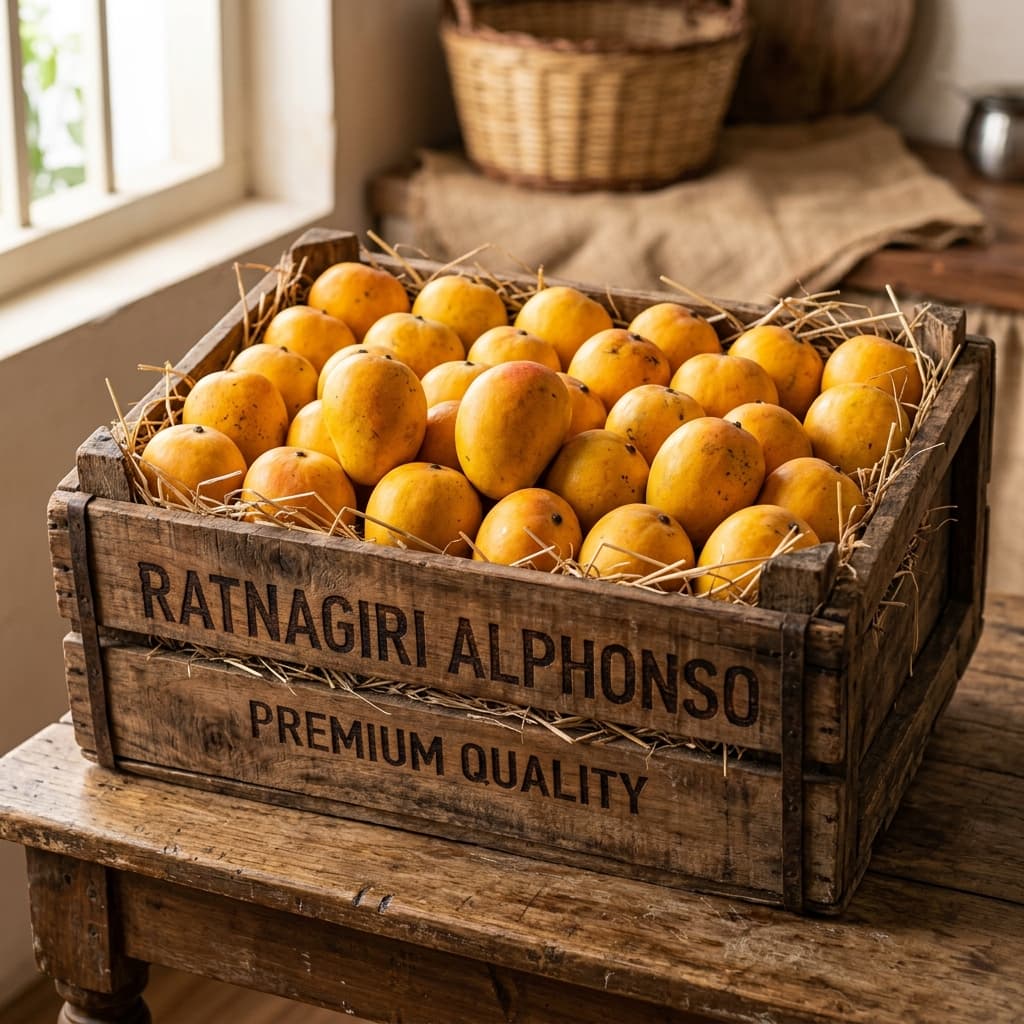
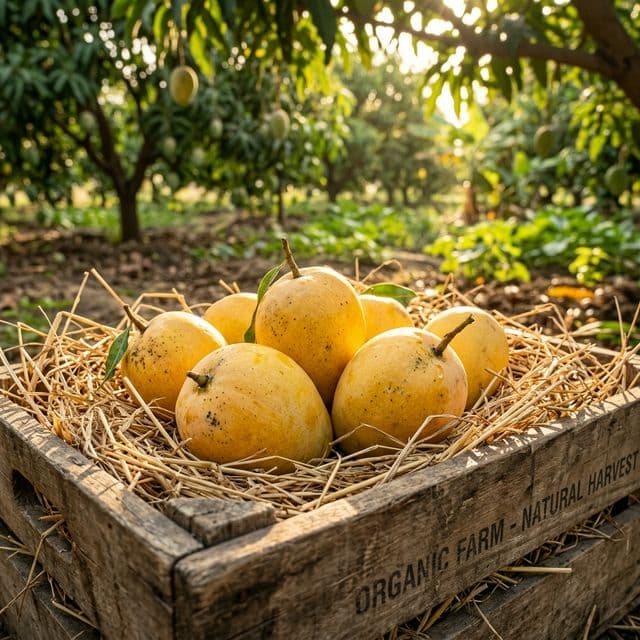
This is why pregnant women must be hyper-vigilant about the source of their fruit. Aam Native guarantees that every single Alphonso is naturally ripened using traditional hay and wood shavings. By buying farm-direct, GI-certified mangoes, you completely eliminate the risk of Calcium Carbide exposure.
What Do OBGYNs Say?
Modern obstetrics encourages the consumption of fresh, seasonal fruits. OBGYNs generally advise pregnant women to consume 2 to 3 servings of fruit per day. One serving of mango (about one small mango or one cup chopped) fits perfectly into a balanced prenatal diet.
The only caveat OBGYNs issue is for women diagnosed with Gestational Diabetes. If you have gestational diabetes, you do not have to ban mangoes entirely, but you must strictly control the portion size (limit to half a mango) and pair it with a protein source, like a handful of almonds or Greek yogurt, to prevent blood sugar spikes.
Safe Mango Recipes for Pregnancy
- Pregnancy Power Smoothie: Blend half an Alphonso mango with a handful of spinach, half a banana, and almond milk. The Vitamin C in the mango will help your body absorb the iron from the spinach.
- Mango and Yogurt Parfait: Layer diced mango with plain, unsweetened yogurt and chia seeds. This provides a perfect balance of fruit sugars, protein, and Omega-3s.
- Classic Aamras: If you are eating Aamras, make it at home using naturally ripened mangoes and avoid adding extra white sugar.
FAQ
Can eating mango cause a miscarriage? No. This is a common myth rooted in the idea that mangoes generate 'heat' in the body. Eating ripe, natural mangoes in moderate quantities is perfectly safe and will not cause a miscarriage.
Is it safe to eat raw/green mango during pregnancy? Yes, in moderation. Raw mango can help alleviate morning sickness. However, excessive consumption of raw mango with salt and chili can cause acidity and heartburn.
How many mangoes can I eat a day while pregnant? Nutritionists recommend sticking to one medium-sized mango (or one cup of chopped mango) per day. This provides all the nutritional benefits without overloading your system with fructose.
How can I tell if a mango is naturally ripened? Naturally ripened mangoes like those from Aam Native will have a uniform, natural aroma, a slight softness to the touch, and the skin may have a mix of green and yellow hues before turning fully golden. Chemically ripened mangoes are often bright yellow with zero aroma and a very hard texture.
Disclaimer: Always consult your OBGYN or a registered prenatal dietitian before making significant changes to your diet during pregnancy.
Found this helpful?
Share it with someone who loves mangoes.
Continue Reading
You Might Also Like

Farm-Direct · GI-Certified
Ready to taste the real Alphonso?
Zero carbide. Naturally ripened. Delivered in 24–48 hours.
Shop Mango Boxes →