The Mango Nourished by Milk: The Legend of Doodhiya Malda
Aam Native Editorial
Aam Native
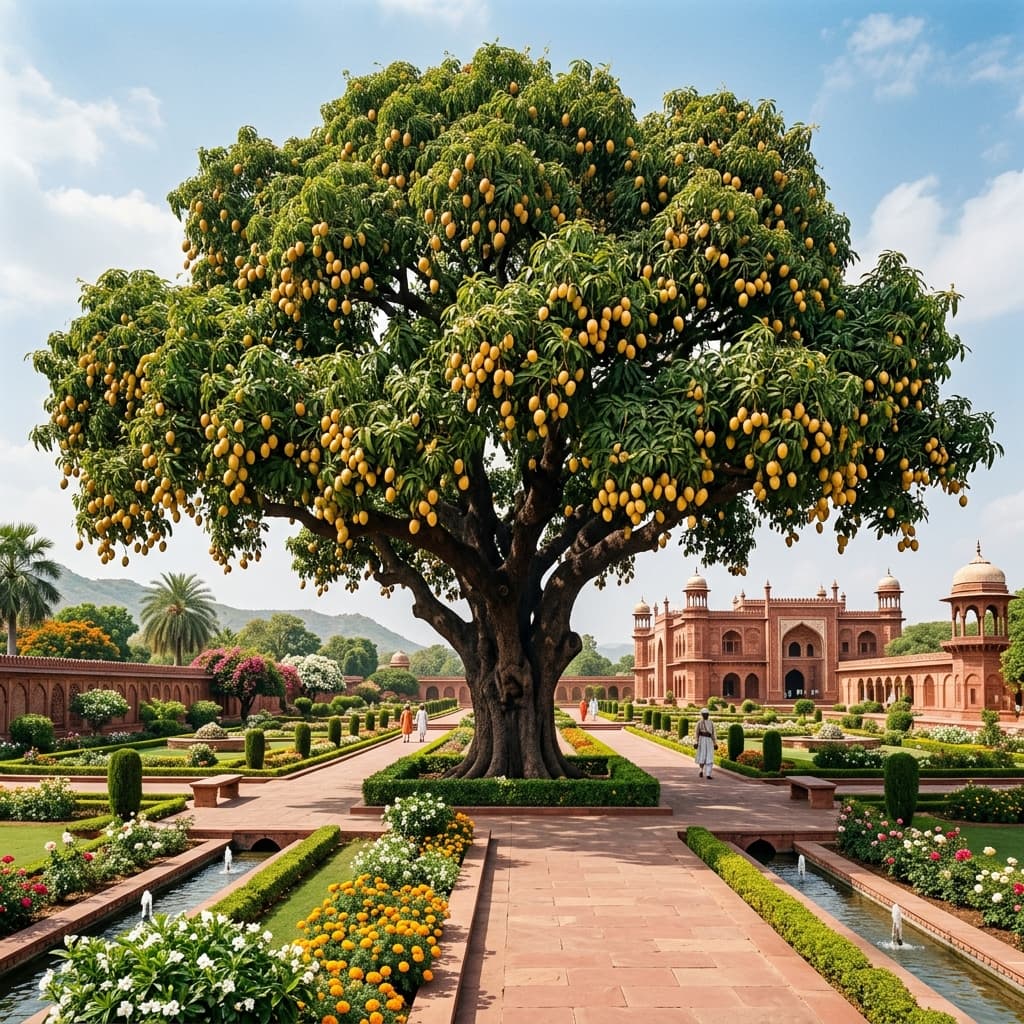
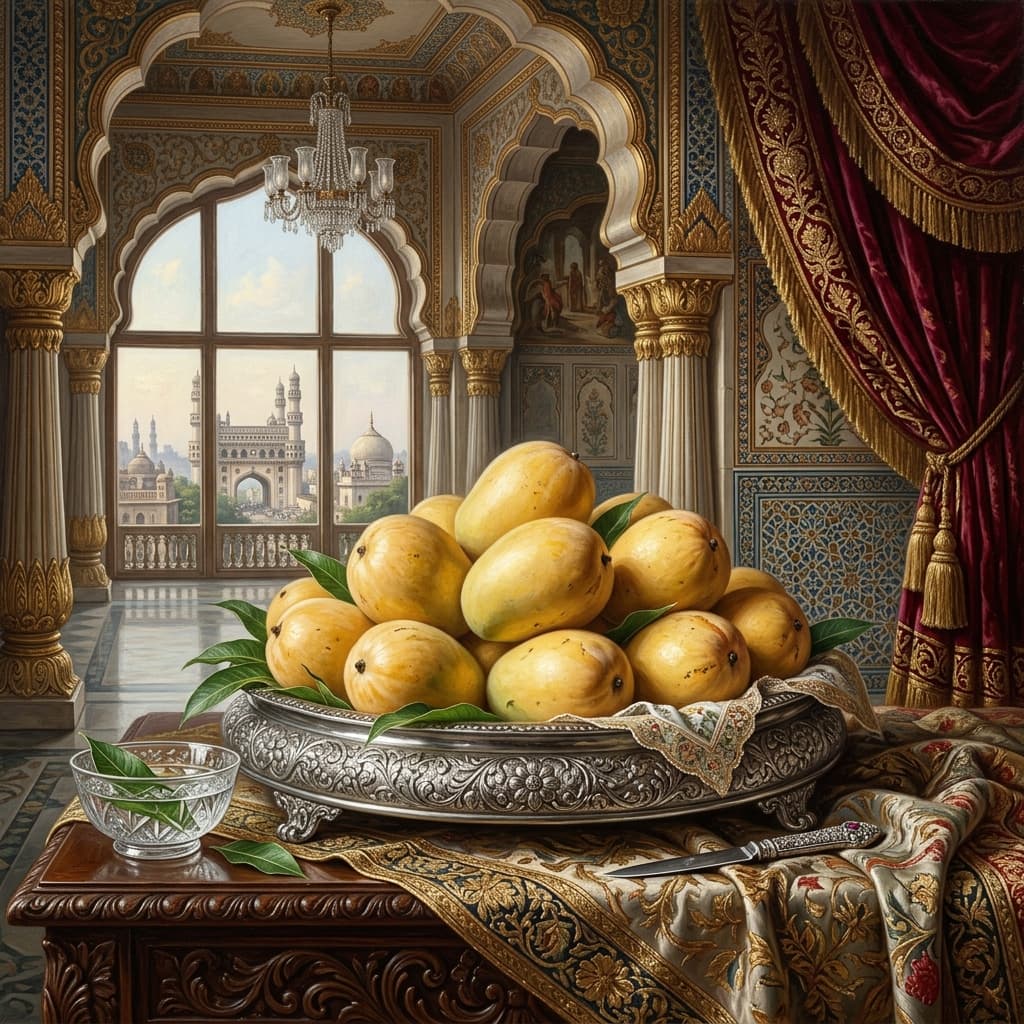
India is a land of legends, and few agricultural stories are as fascinating as the origin of the Doodhiya Malda mango. Often hailed as the "King of Mangoes in Bihar," the Malda is celebrated for its incredibly sweet, entirely fiberless pulp and an aroma that can fill an entire room. But what makes the "Doodhiya" variant so special? The secret lies in a royal experiment from the 18th century.
The King's Unusual Command
The story begins in the royal estates of the Maharaja of Darbhanga. Known for his exquisite taste in horticulture and his sprawling orchards, the King wanted to cultivate a mango variety that was smoother, sweeter, and lacked the acidic tang found in wilder varieties.
What is Doodhiya?
Derived from the Hindi word 'Doodh' (milk), Doodhiya refers to anything that has the qualities of milk, such as a pale color, creamy texture, or a mellow sweetness.
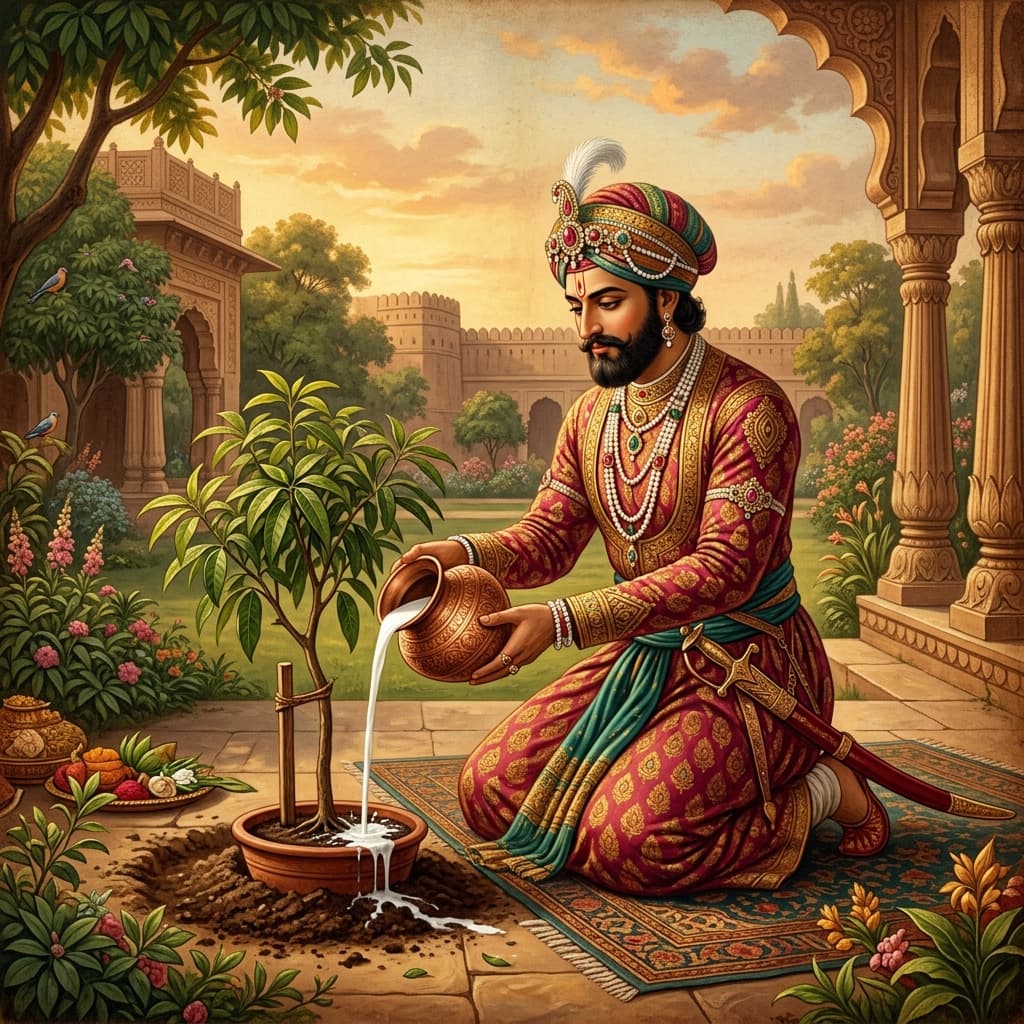
According to local lore, when the royal gardeners planted a promising sapling in the Digha region near Patna, the Maharaja issued an unusual decree: the tree was not to be watered with river water. Instead, it was to be nourished exclusively with milk.
The Result: A Milky Sweetness
While modern botanists might question the scientific efficacy of watering a tree with dairy, the historical result was undeniable. The tree produced mangoes with an unusually thin, pale-green skin. Inside, the pulp was not the deep saffron of an Alphonso, but rather a lighter, golden-yellow with an incredibly creamy, almost dairy-like consistency.
More importantly, the fruit completely lacked the turpentine-like sap or acidic bite that some mangoes possess. It was pure, mellow sweetness—a characteristic that led the locals to name it the Doodhiya Malda.
Digha: The Home of the Malda
While the milk legend adds romance to the fruit, the real magic happens due to the terroir of the Digha region in Patna. The rich, alluvial deposits from the River Ganga create the perfect soil profile for this specific cultivar. Even today, a true Digha Malda is considered a rare delicacy, highly sought after during its short harvest window in late May and June.
Taste the Legend
At Aam Native, we source our Doodhiya Malda directly from heritage orchards in Bihar that trace their roots back to those royal plantings. We ensure that the fruit is naturally ripened in hay—never with carbide—so you can experience the exact same creamy, milky sweetness that delighted the Kings of Darbhanga centuries ago.
Explore our Doodhiya Malda collection and bring a piece of edible history to your table this season.