The 2026 Konkan Heatwave: How D2C Models Saved Ratnagiri's Mango Farmers
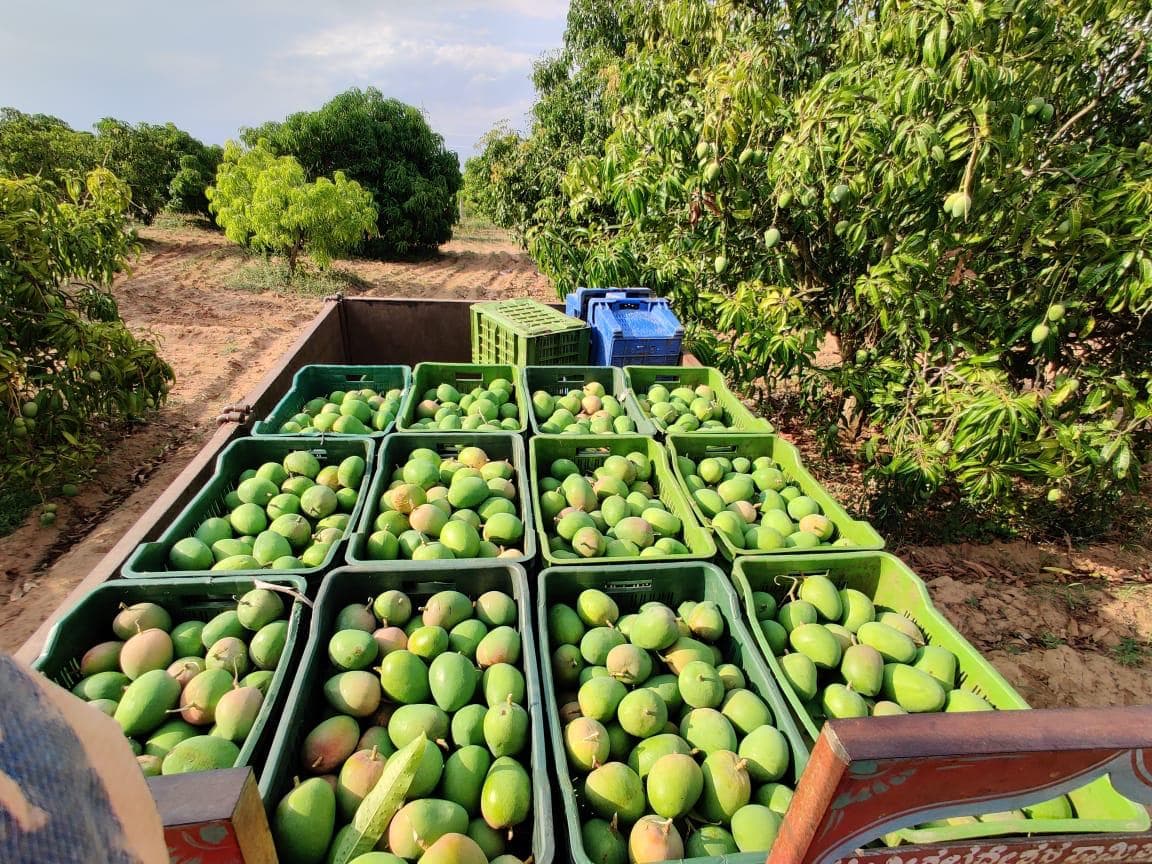
The 2026 Konkan Heatwave: How Direct-to-Consumer Models Saved Ratnagiri's Mango Farmers
FOR THE PRESS: QUICK FACTS & DATA
- The Crisis: Unseasonal extreme heat in Feb-March 2026 caused a 30% drop in authentic Ratnagiri Alphonso crop yields.
- The Traditional Impact: Wholesale markets (mandis) slashed buying prices, leaving small-scale farmers to absorb massive financial losses.
- Aam Native's Intervention: Aam Native guaranteed baseline payouts to 120 partner farming families, absorbing a 15% margin loss at the corporate level to protect farmers from bankruptcy.
- Press Contact: press@aamnative.com (High-res images available upon request).
The 2026 Alphonso mango season will go down in agricultural history, but not for the usual reasons of record harvests or sweetness. This year, the Konkan coast faced unprecedented, unseasonal heatwaves during the critical flowering and fruit-set phases in February and March.
The result was a devastating 30% drop in crop yield across the Ratnagiri and Devgad districts.
For the average consumer, this meant higher prices and a shorter season. But for the small-scale farmers whose entire annual livelihood depends on these three months, it threatened total financial ruin. The traditional wholesale system—long dominated by middlemen and city-based agents—reacted predictably: by slashing the prices they paid to farmers while inflating the cost for urban buyers.
This crisis has highlighted a desperate need for systemic change in Indian agriculture, proving that modern Direct-to-Consumer (D2C) supply chains are no longer just about fresher fruit—they are essential safety nets for India's farming communities.
Bypassing the Wholesale Trap
Under the traditional system, a farmer in Ratnagiri assumes 100% of the climate risk. If the yield is low, the middleman simply buys less fruit at rock-bottom prices, citing "market panic," while turning around to sell the limited supply at exorbitant premiums in Mumbai or Delhi.
During the peak of the 2026 heatwave crisis, Aam Native made a radical supply-chain decision: rather than passing the squeeze down to the cultivators, the company absorbed a 15% corporate margin loss to guarantee baseline payouts for their network of 120 farming families.
"When the heatwave hit, we saw generational farmers considering abandoning their orchards because they couldn't afford the fertilizers for next year. We realized that if we don't protect the cultivator, there is no Alphonso. We locked in fair-trade prices before the harvest even finished, guaranteeing that despite the 30% yield loss, their families wouldn't go hungry."
— Founding Team, Aam Native
The Real Cost of Climate Change on Your Plate
The King of Mangoes is a fragile crop. The Alphonso tree requires a highly specific microclimate—the precise balance of coastal humidity, red laterite soil, and cool nights—to develop its world-famous buttery texture and floral aroma. Climate change is violently disrupting this balance.
When consumers buy cheap, chemically-ripened mangoes from generic delivery apps, they are inadvertently funding the exploitative wholesale systems that crush farmers during climate emergencies.
Ramesh Kelkar, a third-generation mango farmer in Ratnagiri who partnered with Aam Native this year, explains the stark difference:
"The middlemen told us our fruit was too small this year due to the heat, offering us half the usual rate. Aam Native didn't care about cosmetic sizing. They tested for sweetness and chemical-free farming. Because of their guaranteed payout, I didn't have to take out a high-interest loan to prepare my soil for the 2027 season."
— Ramesh Kelkar, Ratnagiri Farmer
Looking Forward: The Ethical Consumer
The 2026 season has proven that the future of Indian agriculture relies on transparency. Brands like Aam Native are demonstrating that when consumers are willing to pay a fair price for authentic, GI-tagged, zero-carbide produce, that premium can be used to build a safety net for the people actually doing the labor.
This year's heatwave wasn't just an agricultural anomaly; it was a stress test for the Indian fruit supply chain. The traditional system failed the farmers. The direct-to-consumer model saved them.
As we look toward 2027 and beyond, the question for consumers is no longer just "Is this mango sweet?" but rather, "Is the system that brought this mango to my table sustainable?"
For media inquiries, interview requests with our founders or partner farmers, or to access our high-resolution agricultural image library, please contact press@aamnative.com.
Found this helpful?
Share it with someone who loves mangoes.
Continue Reading
You Might Also Like
Farm-Direct · GI-Certified
Ready to taste the real Alphonso?
Zero carbide. Naturally ripened. Delivered in 24–48 hours.
Shop Mango Boxes →